
 By
By 
In recent years, the way people care for their pets across the United Kingdom has changed significantly. Dogs and cats are increasingly seen as valued members of the family, and many owners are committed to ensuring their animals enjoy a healthy and fulfilling life.
This shift has encouraged a greater focus on preventative care, balanced nutrition, and lifestyle factors that support overall wellbeing. Pet owners are now more interested than ever in understanding how everyday choices-from diet to exercise-can influence their animals’ quality of life.
Alongside these developments, interest in natural supplements and plant-derived ingredients has grown. One subject that has become an increasingly common topic of conversation among pet owners is CBD for Pets.
While CBD products have been widely discussed in the human wellness sector, the conversation around animals is still evolving. Many pet owners are interested in learning more about hemp-derived compounds, how these products are produced, and what the current regulatory framework looks like within the UK.
By understanding the science, regulations, and quality considerations behind CBD products, pet owners can approach the topic in a more informed and responsible way.
What Is CBD?
CBD, or cannabidiol, is a compound naturally found in hemp plants. Hemp belongs to the Cannabis sativa species but is cultivated specifically to contain extremely low levels of THC.
THC, known as tetrahydrocannabinol, is the compound commonly associated with the psychoactive effects of cannabis. CBD does not produce these intoxicating effects.
Because of this difference, CBD has gained attention in various wellness discussions. Hemp plants contain a wide range of natural compounds, but cannabidiol is one of the most commonly extracted components used in hemp-derived products.
Many manufacturers refine hemp extracts to remove THC entirely, resulting in products that focus solely on cannabidiol. These are commonly referred to as THC-free CBD extracts.
This distinction is particularly important when discussing hemp-derived products intended for animals.
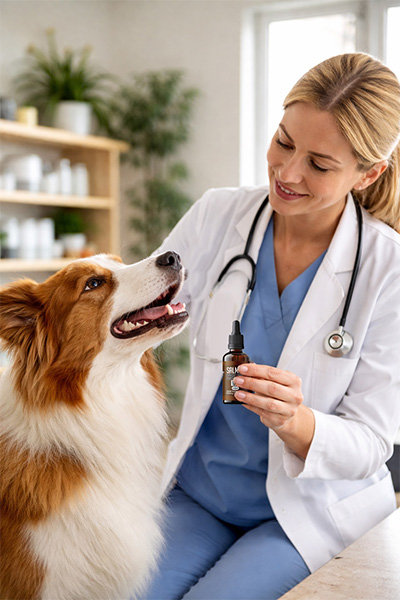
Why Pet Owners Are Exploring Hemp-Derived Products
The pet care industry in the UK has seen strong growth in recent years. Pet owners are becoming increasingly proactive when it comes to supporting their animals’ health and wellbeing.
Many people now focus on preventative wellness strategies, which may include high-quality diets, physical activity, mental stimulation, and regular veterinary care.
Within this broader approach to animal wellbeing, supplements and plant-derived ingredients have become a topic of growing interest.
Hemp-derived products have naturally entered this conversation as awareness of CBD continues to increase.
However, responsible discussions around CBD products for animals generally focus on transparency and product quality rather than medical claims.
Pet owners researching CBD supplements are typically interested in understanding how these products are produced and what quality standards apply.
The Endocannabinoid System in Mammals
Scientific interest in cannabinoids largely stems from the discovery of the endocannabinoid system (ECS).
The ECS is a biological system present in many mammals, including dogs and cats. It consists of receptors located throughout the body that interact with compounds known as endocannabinoids.
These compounds are produced naturally within the body and may play a role in maintaining internal balance across various biological systems.
Because animals possess this system, researchers have shown interest in understanding how plant-derived cannabinoids interact with biological pathways.
Although scientific research involving animals is still developing, the presence of the ECS has contributed to growing curiosity about hemp-derived compounds within the pet wellness sector.
THC-Free Formulations for Animal Products
One of the most important considerations when discussing hemp-derived products for pets is the presence of THC.
Animals can respond differently to THC compared with humans, which is why responsible CBD products designed for animals are typically produced as THC-free formulations.
Manufacturers often use specialised extraction techniques to isolate cannabidiol while removing unwanted compounds such as THC.
Once products are produced, reputable manufacturers commonly send them to independent laboratories for testing.
Third-party laboratory testing can confirm several important aspects of product quality, including:
• CBD concentration
• THC levels
• Absence of contaminants such as pesticides or heavy metals
• Overall product purity and consistency
For pet owners researching CBD supplements, reviewing laboratory reports can help provide reassurance regarding product quality and manufacturing standards.
Transparent testing has become one of the most important indicators of responsible CBD production.
Regulation of Pet CBD Products in the UK
In the United Kingdom, products intended for animals fall under the responsibility of the Veterinary Medicines Directorate (VMD).
The VMD regulates veterinary medicines and ensures that products designed to affect animal health meet strict safety and quality standards.
CBD products marketed for animals currently exist within a developing regulatory environment.
The VMD evaluates whether certain products fall within the definition of veterinary medicines depending on how they are marketed and the claims made about them.
Because of this, companies discussing hemp-derived products for animals generally avoid making strong medical claims.
Instead, responsible manufacturers focus on transparency, product quality, and clear communication about how their products are produced.
Industry Developments and Future Submissions
The regulatory landscape surrounding hemp-derived products for animals continues to evolve.
Within the animal health sector, veterinarians and industry specialists have been collaborating to develop an application relating to CBD products intended for animals.
This application is currently being prepared by registered veterinarians and animal health product experts and is expected to be submitted to the Veterinary Medicines Directorate.
The purpose of this submission is to provide regulators with scientific safety data and product information that may assist in evaluating hemp-derived products intended for animals.
If accepted, the application could help establish clearer regulatory pathways and safety standards within the UK pet wellness sector.
Many observers within the industry hope that this submission may take place within the coming year.
Evaluating CBD Product Quality
For pet owners researching hemp-derived supplements, product quality should always be a key consideration.
Because the industry is still developing, manufacturing standards can vary between companies. Transparency and independent testing therefore play an important role in evaluating products.
Some factors that pet owners commonly consider when researching CBD products include:
• Independent third-party laboratory testing
• THC-free confirmation
• Clear ingredient lists
• Responsible hemp sourcing
• Transparent manufacturing practices
Manufacturers that provide accessible laboratory reports and clear product information are generally viewed as more reliable.
Carefully reviewing product details can help pet owners make informed decisions when exploring supplements for their animals.
Natural Wellness Trends in Pet Care
Across the UK, interest in natural pet wellness continues to expand.
Pet owners are increasingly exploring supplements designed to complement healthy diets, regular exercise, and preventative veterinary care.
Products containing ingredients such as probiotics, omega oils, botanical extracts, and other plant-derived compounds are becoming more common within the pet care sector.
Within this broader movement, hemp-derived products have become a topic of curiosity among owners who are interested in holistic approaches to supporting their pets’ wellbeing.
However, responsible pet care always involves a balanced approach that includes proper nutrition, veterinary guidance, and a safe environment.
Veterinary Advice and Responsible Research
Whenever pet owners consider introducing supplements into their pets’ routine, consulting a qualified veterinarian is always recommended.
Veterinary professionals can provide guidance based on an animal’s specific health history, diet, and lifestyle.
CBD products should not replace professional veterinary advice or prescribed treatments.
Instead, supplements are typically viewed as part of a broader wellness strategy that includes balanced nutrition, preventative care, and routine veterinary support.
By taking a thoughtful and informed approach, pet owners can help ensure their animals receive appropriate care.
Looking Ahead
The discussion surrounding hemp-derived supplements for animals continues to develop within the UK.
As research progresses and regulatory frameworks evolve, clearer guidance may emerge regarding how CBD products should be produced, evaluated, and marketed for pets.
With veterinarians and animal health experts currently preparing submissions to the VMD, the coming years may provide greater clarity regarding regulatory expectations and product standards.
For now, pet owners researching CBD supplements should prioritise transparency, independent testing, and responsible sourcing.
By focusing on quality and informed decision-making, owners can continue supporting their pets’ wellbeing while remaining aligned with evolving industry standards.









Comments