
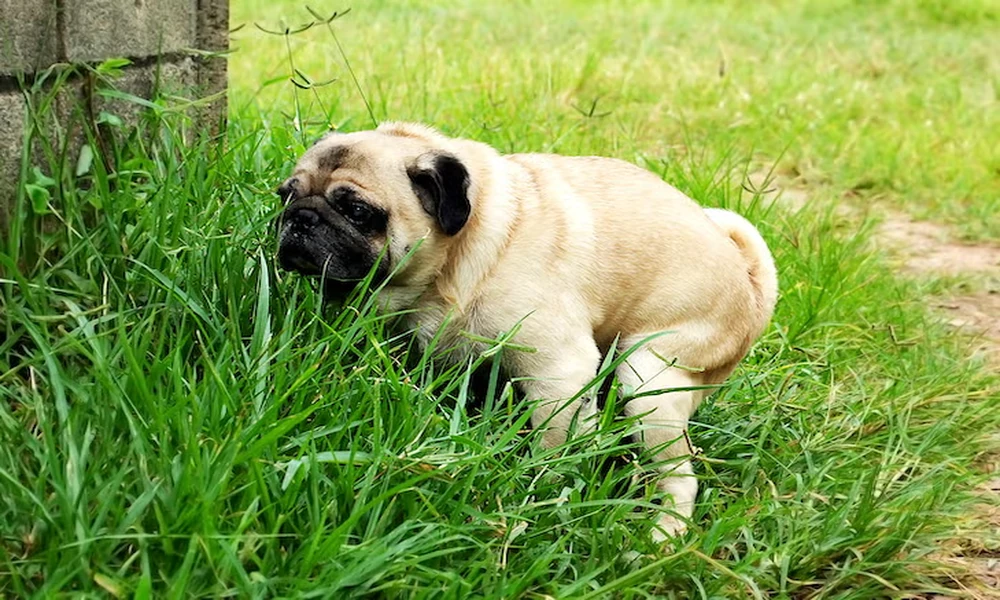
Loose stool is a normal digestive issue in dogs. It can show up for lots of reasons and, and sometimes it’s not a big deal. Most of the time, loose stool in dogs (犬 うんち ゆるい) happens because of a minor dietary issue. But it can also be a serious, deeper health situation that requires medical attention.
Even if a single episode seems to resolve on its own, ongoing loose stool should not just be taken lightly. Figuring out when to seek veterinary care can help stop complications from building up. This way, you get your dog the right help. If you also learn the potential causes and warning signs, you can make better choices for your pet’s health.
Common Causes of Loose Stool
Loose stool can result from a variety of factors. It is important for pet owners to understand the possible causes. This way, it would be easier to pinpoint what caused it and how to move forward with treatment.
Loose stool can be caused by minor reasons such as the following:
- Sudden change in diet
- Eating spoiled food
- Food intolerance
- Stress
- Intestinal parasites
- Bacterial or viral infections
- Side effects from certain medications
In some cases, chronic illnesses can also lead to loose stools:
- Inflammatory bowel disease
- Liver disease
- Pancreatic disorders
Monitor How Often and How Long It Lasts
A little episode of loose stool in an otherwise healthy dog, may not always need immediate medical attention. Still, if diarrhea keeps happening for more than a day or two, or keeps coming back again, then it is a good idea to consult a veterinarian. Diarrhea can cause dehydration, and it might lead to something that needs a proper diagnosis and treatment from a medical professional.
Watch for Other Symptoms
Loose stool is not the only symptoms that you should watch out for. Be concerned and get veterinary care right away when you notice the following:
- Vomiting
- Blood in the stool
- Weak or unusually tired
- Loss of appetite or refusal to eat
- Develops a fever
- Shows signs of stomach pain
Monitor Your Dog’s Hydration
Diarrhea can lead to major fluid loss. There is a huge risk for dehydration. Give your dog constant access to fresh clean water. Puppies, older dogs, and those with existing health problems are especially susceptible to dehydration. They may need veterinary care earlier than a healthy adult dog would.
Avoid Making Sudden Food Changes
If your dog’s loose stool seems connected to a recent change in food or diet, try not to add extra changes until you have talked with your veterinarian. Sudden changes between different foods can keep messing up the digestive system. After your veterinarian figures out what’s going on, they might suggest a careful transition to a more appropriate diet.
Know When It’s Time for Urgent Help
Some cases may require immediate medical help. It is crucial that you know when you should see urgent care for your dog. Contact your veterinarian immediately if your dog has the following:
- Severe diarrhea
- Vomiting
- Bloody stool.
- Difficulty standing on its own.
- Shows signs of serious dehydration.
- Suspicion of having eaten something toxic or a foreign object.
Conclusion
Loose stool in dogs is a frequent issue that’s also often taken for granted. That’s because this is something that naturally goes away on its own. However, this health issue should not be brushed off, especially when it’s happening more frequently. Understanding the causes and when to seek help is important. With early recognition and the right kind of treatment, a lot of cases of diarrhea can be remedied quickly.