
 By
By 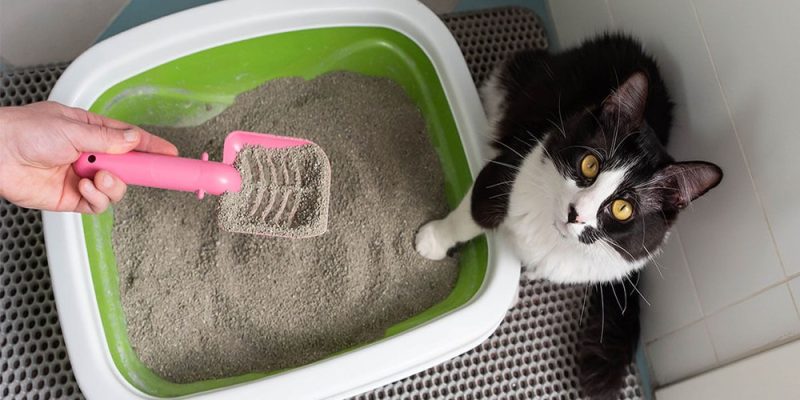
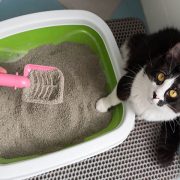
Discussing cat poop feels a little unpleasant. But it is one of the most important health topics for cats. A cat poop (貓咪大便) indicates the current health condition. Pets cannot tell if they are feeling unwell. Scooping the litter box keeps things clean. It is a simple way to check in on your cat.
How important is cat poop?
The details of the cat poop are very important, such as:
- color
- texture
- smell
Certain changes will make it easier to keep updated on the little one’s health. The cat poop can mean a lot based on their color and texture. A pet owner can distinguish if their cat is healthy or has unseen health issues.
Types of cat poop
A stool color reveals lots about what is happening inside the body. Brown poop is a healthy shade of cat stool. Stool colors with concerning signs are:
- black
- yellow
- green
Every stool color has a story.
Different types of irregular cat poop exist.
Red cat poop
It is usually stripes of red or red liquid noted. The blood in cat poop from hematochezia causes:
- straining
- constipation
- infections
- dietary indiscretion
- stress
- parasites
- inflammatory bowel conditions
- cancer and more
Black cat poop
Blood in cat poop from melena causes:
- stomach ulcers
- infections
- parasites
- inflammatory bowel conditions
- cancer and more
Yellow or green cat poop
The stool can move quickly through the gastrointestinal tract. It causes the following:
- parasitic infections
- liver conditions
- gallbladder conditions
Mucus or jelly-like cat poop
Jelly-like cat poop is usually associated with a rash in the large intestine. The causes of this cat poop are:
- stress
- inflammatory bowel disease
- dietary changes
- infections
- parasites
Runny or watery cat poop
Watery cat poop indicates:
- inflammation in their gastrointestinal tract
- intestines are moving too quickly
- having trouble absorbing liquid in their intestines
The causes of watery cat poop are:
- rapid change of diet
- dietary indiscretion
- stress
- infections
- parasites
- systemic conditions
White cat poop
White cat poop is uncommon but indicates issues with the bile duct system. The poop causes are:
- bile duct blockage
- decreased bile flow
Some white cat poop is moldy from remaining in the box for a long time.
White worms in a cat poop
Small white specks like a rice grain are tapeworms. A long white worm is a roundworm. You must know what type of worm is in the poop of your cat.
Hard, pebble-like cat poop
The causes of hard, pebble-like cat poop are:
- constipation
- dehydration
- difficult defecation
The common causes of defecation are:
- bowel
- anal sphincter conditions
Some changes in a cat’s poop color are related to their diet. You see some color changes based on what they eat.
For example:
You will notice a green tint to the stool if the cat eats food with a green dye.
This case does not have any concern since it is a reaction to what they eat. Another reason why cat poop changes its color is when its diet recently changed.
FAQs
How important are irregular cat poop changes to monitor?
The irregularity of cat poop changes needs to be monitored. The severity level of the irregular cat poop may range from mild to severe. There are underlying diseases that lead to similar changes.
What is the normal color of a cat poop?
The normal color of a cat poop is dark brown. It is firm, yet pliable and shaped like a small log. It can hold its form when scooped. It leaves little to no residue and has a mild odor around the litter box. Noticing a change of smell or appearance is a sign of health concern.
How to know a cat with diarrhea?
A cat with diarrhea changes the appearance of the stool. The stool is watery and spreads all over the little box when scooped.





Comments